
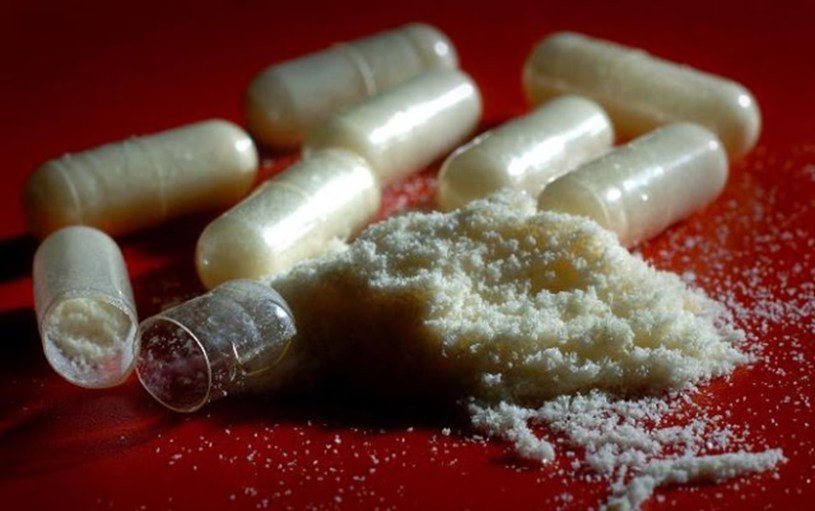
Molly is a common street name for MDMA, a synthetic psychoactive drug associated with increased energy, emotional openness, and changes in perception. Those effects come from changes in brain signaling, but the same process can also produce unwanted physical and psychological reactions. Another concern is that a substance sold as Molly may contain ingredients other than MDMA.
Understanding what Molly does requires looking beyond the experience people associate with the drug and examining how it affects both the brain and the body.
Key Takeaways
- Molly is a street name commonly used for MDMA.
- MDMA affects serotonin, dopamine, and norepinephrine activity in the brain.
- Reported effects can include increased energy, alertness, emotional warmth, and heightened sensory perception.
- Health risks can include elevated blood pressure, anxiety, overheating, nausea, and other serious complications.
- A product sold as Molly cannot be assumed to contain pure MDMA.
How Does Molly Affect the Brain?
MDMA influences several neurotransmitters, including serotonin, dopamine, and norepinephrine. These chemical messengers help regulate functions such as mood, behavior, sleep, appetite, and energy. MDMA increases their activity in the brain, which helps explain why people may report changes in mood, alertness, social connection, and sensory perception.
Serotonin is especially relevant because of its relationship with mood and emotional processing. However, altering neurotransmitter activity does not produce the same experience for every person. The effects can vary based on the substance involved, other drugs or medications in the body, and individual health factors.
What Does Molly Do to the Body?
MDMA can increase heart rate, blood pressure, sweating, muscle tension, and physical activity. Other reported effects include nausea, jaw clenching, tremors, chills, blurred vision, and anxiety.
One of the more serious risks involves body temperature. MDMA can interfere with the body’s ability to regulate heat. The risk can become especially concerning in warm, crowded environments where someone is physically active. Severe hyperthermia can become a medical emergency and may affect the liver, kidneys, cardiovascular system, or brain.
Why the Word “Molly” Can Be Misleading
The name Molly describes what a substance is being sold as; it does not verify its chemical contents.
NIDA reports that analyses of drugs sold as MDMA have found substances including ketamine, amphetamine, synthetic cathinones, MDA, and methamphetamine. That makes appearance, packaging, or a seller’s purity claim an unreliable way to determine what a street product actually contains.
This distinction matters because unexpected ingredients can change both the effects and the health risks.
For legal consumer products, transparent ingredient information and independent laboratory documentation provide much more useful information than branding alone. Utoya, for example, states that its own products have corresponding Certificates of Analysis available through its website or product QR codes. Those COAs apply to Utoya products; they should not be interpreted as verification of illicit Molly or MDMA.
Frequently Asked Questions
Is Molly the same thing as MDMA?
Molly is commonly used as a street name for MDMA. However, a product sold as Molly may contain other substances, so the name alone does not confirm its contents.
Why does Molly make people feel more social?
MDMA changes activity involving neurotransmitters including serotonin, dopamine, and norepinephrine. These changes are associated with effects such as increased energy, emotional warmth, alertness, and feelings of closeness.
Can Molly cause overheating?
Yes. MDMA can interfere with temperature regulation, and dangerous increases in body temperature have been reported, particularly in hot environments involving prolonged physical activity.
Does Molly always contain MDMA?
No. Testing of illicit substances sold as MDMA has identified other drugs and adulterants. A street name or physical appearance cannot establish chemical composition.
This post was written by a professional at Utoya Organics. Utoya Organics is a producer, developer and manufacturer of hemp-derived products. Buy Delta 8 THC, Delta 9 THC, THCP, HHC, THC-O, CBD, CBG, CBN, and more! We formulate our own products and distribute them all over the United States with over 400 locations nationwide. Utoya specializes in cannabinoid products such as edibles, flowers, tinctures, vapes, Rize Magic Mushroom Bar and more! All of our oil blends are Nano-Amplified to absorb faster (maximum bioavailability). All of our vaping products and hemp flowers are free of any solvents. No MCT, no alcohol, no vitamin E, no VG. Our cannabinoid distillates are never isolates, so it’s always golden in color and very effective. All third-party tested to meet compliance.

